
Radon in Relo - Top 5 Things to Know About Radon During a Corporate Relocation
A last-minute radon gas concern is not welcome during the corporate relocation process. Transferees are already stressed with moving to a new city, starting a new job, and finding new schools, doctors, and services for their families. Any hiccups a transferee can avoid when selling or buying a home during this process improves their peace of mind.
Is Radon Testing Required To Sell A Home: Radon and Moving
Health Canada recommends testing for radon when buying a new home. Radon levels can vary significantly from one home to another, so knowing the radon level of a property before buying can help you make an informed decision. This presents two challenges:
- Will the home the transferee is selling have high radon levels and cause a last-minute snag in trying to sell their home?
- How will the transferee know if the new home they are moving to is safe from high radon levels?
Radon is a radioactive gas that is the #1 cause of lung cancer in nonsmokers and the #2 cause of lung cancer nationwide. The gas forms from the breakdown of uranium in soil, rocks, and water around a house. It then seeps into a home through cracks in the foundation, sump pumps, and holes around floor joints and pipes.
When inhaled into the lungs, radon decays into radioactive alpha particles. These radioactive particles damage the DNA of cells that line the lungs which can lead to lung cancer. The radon risk for children is even higher because they have smaller lungs and faster breathing rates.
Radon should not deter a new home purchase or sale, as radon mitigation systems can significantly reduce radon levels. Health Canada recommends taking action to reduce radon levels at or above 200 Bq/m³.
Radon reduction and mitigation systems can significantly reduce radon levels in a home. If radon levels are at or above 200 Bq/m³, Health Canada recommends taking action to reduce radon levels. Mitigation should be carried out by a C-NRPP-certified radon professional.
Radon mitigation techniques include fixing cracks, securing crawl spaces, and plugging any openings that may allow radon to seep into a home or building as well as installation of pipes, fans, and venting to redistribute radon outdoors and away from the structure.
Radon levels can vary from home to home within the same neighborhood, or even between neighboring condominiums in the same building. Weather, temperature, wind and changes in soil conditions can cause radon levels to fluctuate. Geological, environmental and structural changes can also affect radon levels, which is why regular testing is recommended.
While it’s true that some regions of the country have lower or higher levels of radon, high radon levels have been found in every province in Canada. Research shows that in areas with low average radon levels, there can be homes with extremely elevated levels – even 4 and 5 times the actionable levels.
Radon Protection Plans for Relocation
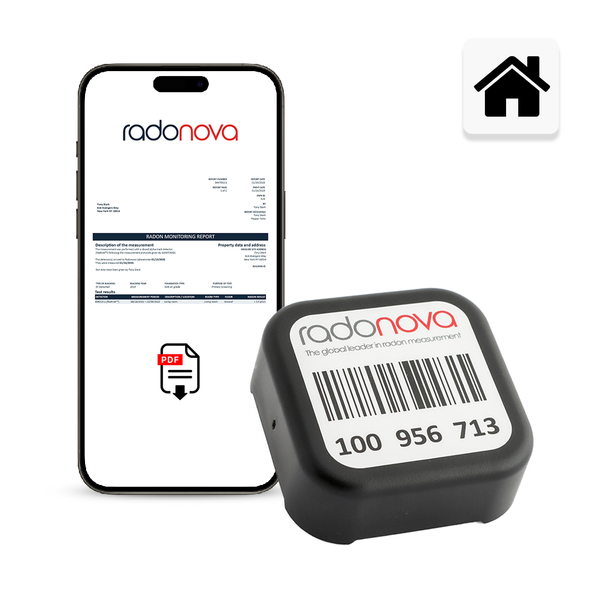
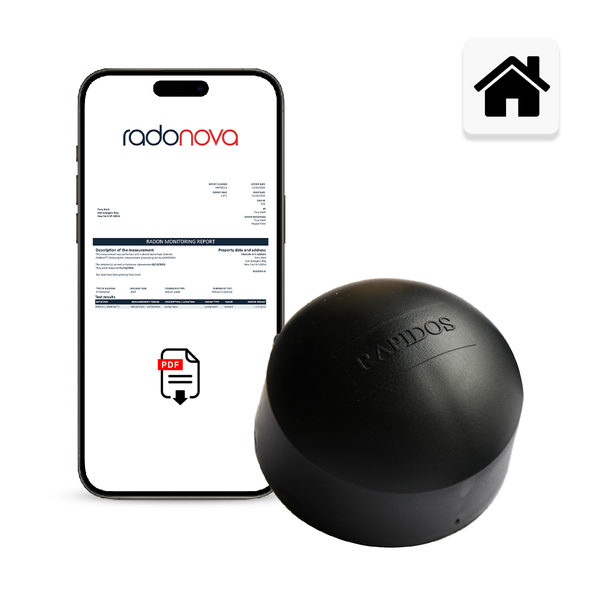
With a radon protection plan, both the property being sold and the property being purchased can be protected from unexpected radon-related costs. A home is tested with a long-term radon detector which provides the most accurate measurement of radon exposure in a home. All radon related issues are covered – including radon mitigation/remediation (if needed) and a post mitigation test to confirm radon levels have been successfully reduced.
Do You Want to Measure Yourself When Relocating?